
Plastic Packaging Tax: What the April 2026 Rate Rise Means for UK SMEs

Will Marshall
MD
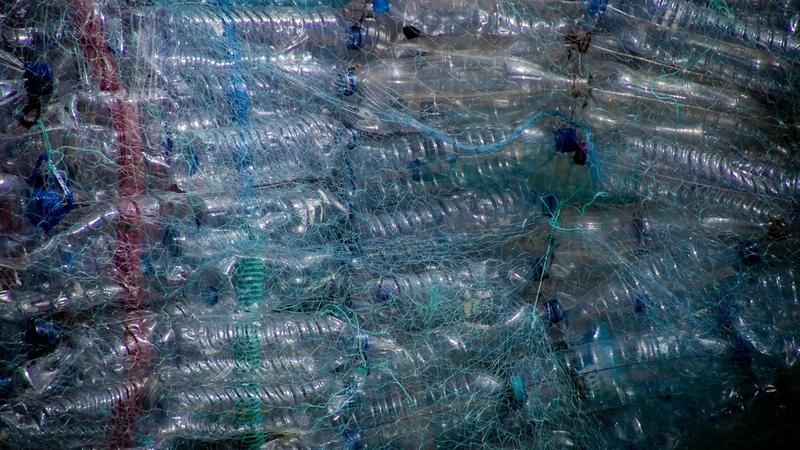
As the UK continues to tighten the regulatory framework around single-use plastics, the Plastic Packaging Tax (PPT) has quietly become one of the most material environmental levies on product-based businesses. The rate rose again on 1 April 2026, and further reforms are on the horizon that will change how businesses evidence recycled content claims. For UK SMEs that manufacture or import packaged goods, understanding the latest changes is no longer a specialist tax concern — it is a practical operational issue.
What has changed in April 2026
The Plastic Packaging Tax rate increased from £223.69 per tonne to £228.82 per tonne on 1 April 2026, in line with the Consumer Price Index (CPI). The rise represents another step in the government's commitment to link the tax to inflation, ensuring that the financial incentive to use recycled plastic does not erode over time.
The core rules remain unchanged. The tax applies to plastic packaging components manufactured in, or imported into, the UK that contain less than 30% recycled plastic. Businesses handling more than 10 tonnes of finished plastic packaging within a 12-month period must register with HMRC, whether or not the packaging is ultimately liable for tax.
Who the tax affects
The PPT captures a far wider range of businesses than many SME owners assume. Any company that manufactures plastic packaging — or imports goods packaged in plastic — can fall within scope once the 10-tonne threshold is crossed.
According to HMRC, PPT revenue reached £259 million in the 2024-25 financial year, down 3% on the previous year, and 4,927 businesses were registered for the tax as of August 2025. Registered businesses span manufacturers, importers, wholesalers, retailers and food producers, with SMEs forming a significant share.
Of the total plastic packaging tonnage covered by the tax in 2024-25, 38% was declared taxable, while 51% of the remaining non-taxable tonnage met the 30% recycled content threshold. The figures suggest that over half of the market has already shifted towards higher recycled content, but a substantial minority of businesses are still paying the tax rather than reformulating their packaging.
The bigger changes coming in 2027
The April 2026 rate rise is modest, but a more substantive reform is scheduled for April 2027. From that date, pre-consumer waste — the offcuts and scrap generated during manufacturing — will no longer qualify as recycled content for PPT purposes. The change shifts the tax definition towards post-consumer recyclate only, aligning with the direction of travel in wider packaging policy.
The practical implication is significant. Businesses that currently meet the 30% threshold by incorporating factory offcuts or industrial scrap will need to re-source materials or reformulate packaging entirely. For some, the change could move previously exempt packaging back into taxable territory.
Alongside the 2027 change, HMRC is consulting on mandatory certification for businesses claiming the 30% recycled content exemption. The intervention is designed to tackle fraudulent or poorly evidenced claims, particularly for imported materials where verification has proven difficult. For SMEs, it means that supplier declarations and informal documentation may no longer suffice.
Benefits and opportunities for proactive SMEs
While compliance requirements are increasing, the regime also creates genuine commercial opportunities for SMEs that respond proactively.
- Cost avoidance: Reducing taxable plastic usage or moving to higher-recycled alternatives delivers direct savings that compound as rates rise year on year.
- Procurement advantage: Larger buyers subject to their own sustainability reporting increasingly request evidence of lower-impact packaging. Demonstrating compliance supports tender bids and customer retention.
- Brand credibility: Consumers and B2B customers continue to reward businesses that can substantiate environmental claims. Robust recycled content evidence is becoming a baseline rather than a differentiator.
- Readiness for wider reform: Extended Producer Responsibility (EPR) and the Deposit Return Scheme are reshaping packaging economics. Businesses that have already audited their packaging portfolios will be better prepared.
Challenges and considerations
The less welcome reality is that PPT compliance adds administrative burden, and the 2027 changes tighten the evidential bar further.
Many smaller businesses rely on supplier declarations to confirm recycled content percentages. If mandatory certification is introduced, the cost of third-party assurance and the time required to evidence claims will increase. For SMEs with limited finance or sustainability resource, that cost can feel disproportionate.
Sourcing genuine post-consumer recycled plastic is also not straightforward. Supply remains constrained in several material streams, and prices can exceed those of virgin plastic — particularly in food-grade applications where stricter quality standards apply. The economic logic of switching depends on a careful calculation of tax liability, material cost, and potential procurement gains.
Practical steps for UK SMEs
For businesses operating in product manufacturing, retail, or food and drink, several steps can make the next phase of PPT compliance manageable:
- Audit packaging tonnage annually: Confirm whether the 10-tonne threshold has been crossed, including imported packaging on finished goods.
- Map recycled content across the portfolio: Identify which items meet the 30% threshold and, critically, whether that content is pre-consumer or post-consumer.
- Engage suppliers early: Ask for documented evidence of recycled content composition, and begin discussions about the 2027 change now rather than after the consultation concludes.
- Model the financial impact: Calculate PPT exposure under current rules, under the 2027 rules, and under a reformulated scenario with post-consumer content only.
- Integrate packaging into the wider plan: PPT sits alongside EPR, DRS, and Scope 3 reporting requirements. Treating these as a single programme avoids duplicated effort.
The path forward
The Plastic Packaging Tax has moved from a peripheral compliance issue to a material consideration in product and packaging strategy. The April 2026 rate rise is small in isolation, but it signals the direction of travel: higher costs for businesses that continue to rely on virgin plastic, stricter evidence requirements for those claiming exemptions, and a tightening definition of what recycled content actually means.
For UK SMEs, the most practical response is not to wait for the 2027 change to arrive. Auditing packaging now, pressure-testing supplier claims, and building post-consumer recyclate into procurement decisions will reduce both regulatory risk and long-term cost. Sustainability in packaging, like sustainability in every other operational area, rewards businesses that act early.
Kickstart your journey into sustainable growth, with all the tools you need to get going at Bright.