
News & Insights
Practical sustainability advice, industry updates, and insights to help your business take meaningful climate action.
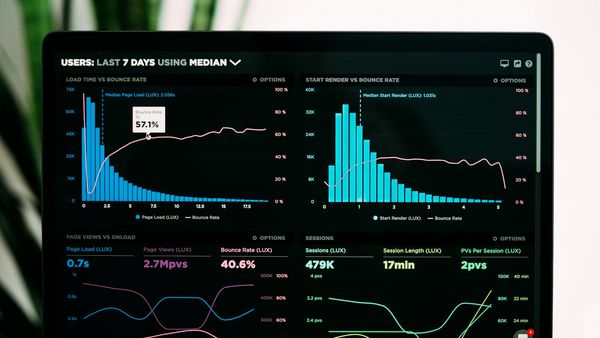
The Scope Gap: Why Two-Thirds of UK SMEs Still Can't Categorise Their Emissions
Almost two-thirds of UK SMEs can't categorise their emissions into Scopes 1, 2 and 3 — the framework their largest customers are about to demand. Here's what the gap means and how to close it.

The Seventh Carbon Budget: What Parliament's June 2026 Vote Means for UK SMEs
Parliament must approve the UK's Seventh Carbon Budget by 30 June 2026. The Climate Change Committee has recommended 535 MtCO2e — here's what it means for UK SMEs.

From Fred. Olsen to Your Business: Why Organisational Carbon Literacy Is the New Standard
Fred. Olsen Cruise Lines became the first cruise-sector organisation awarded Silver Carbon Literate status in April 2026. Here is what the four-tier CLO standard means and why it favours UK SMEs.
Plastic Packaging Tax: What the April 2026 Rate Rise Means for UK SMEs
The UK Plastic Packaging Tax rose to £228.82 per tonne on 1 April 2026, with further reforms coming in 2027. A practical guide for UK SMEs on compliance, evidence, and next steps.

UK Sustainability Reporting Standards: Why SMEs Should Prepare Now for 2027
The UK Sustainability Reporting Standards take effect from 2027. SMEs in the supply chains of larger organisations will face growing pressure to provide sustainability data — and the time to prepare is now.

How Much Does Carbon Literacy Training Cost in the UK?
Carbon Literacy training is essential for UK organizations aiming to reduce emissions. Open courses typically cost £100-£150. Bright Sustainability offers a competitive package at £115, covering all fees. Price variations depend on delivery mode, cohort size, and added services. Group rates and early bookings can reduce costs further.
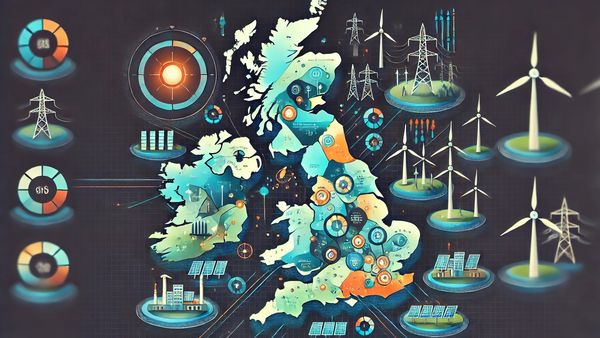
Zonal Energy Pricing: A Game Changer for UK SMEs?
Zonal energy pricing in the UK aims to address regional energy disparities by varying electricity prices based on local supply and demand. This system could benefit SMEs by reducing costs in renewable-rich areas, encouraging local generation, and enhancing energy efficiency. However, challenges include potential higher costs for some regions and the need for infrastructure investment.

Banning Very Short-Haul Flights: Europe’s Common Sense Step for Sustainability
European countries are banning short-haul flights to combat climate change, focusing on routes with efficient rail alternatives. France's ban, effective since May 2023, is limited in scope. Spain's 2024 proposal aims for greater impact. While promoting greener travel, challenges such as infrastructure gaps and industry pushback persist, highlighting the need for systemic change.
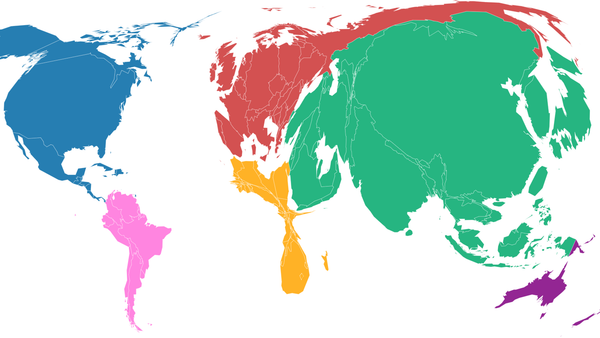
Exploring CarbonMap.org: Visualizing Global Carbon Inequality
CarbonMap.org is an interactive platform illustrating global carbon emissions and climate vulnerability through thematic maps. It highlights disparities in emissions between wealthy and low-emission nations, emphasizing the moral obligation of high-emission countries to support vulnerable ones. The tool is valuable for policymakers, businesses, and educators in advocating for climate equity.
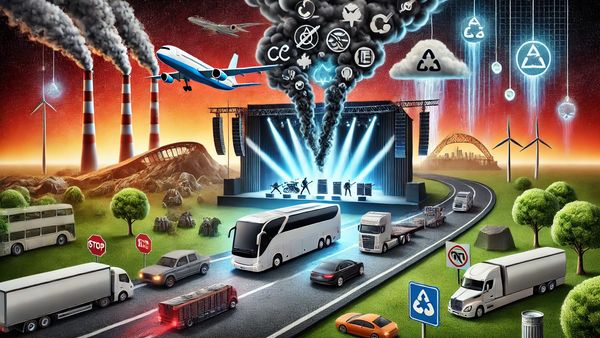
The Carbon Impact of Bands Touring: A Business Perspective
The music industry's touring sector significantly impacts the environment due to fan travel, logistics, and energy use in venues. As awareness grows, businesses must prioritize sustainability to enhance reputation, engage customers, and comply with regulations. Initiatives by artists like Coldplay and Massive Attack exemplify sustainable practices, urging others to adopt eco-friendly measures in the touring ecosystem.
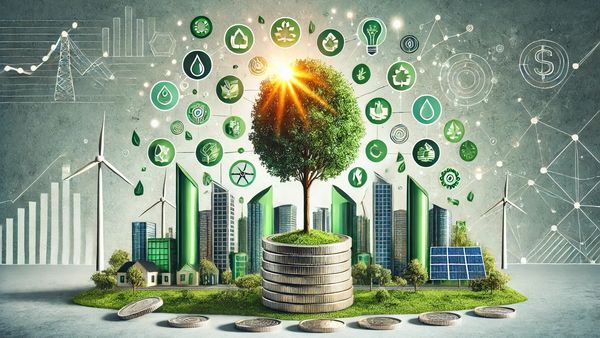
Sustainable Business Finance: The Shocking Impact of Pensions

Where the UK Went Wrong with Housing Insulation
The UK's housing insulation has faced challenges over the years, including inconsistent government policies, funding shortfalls, and a lack of public engagement. Key initiatives like the Green Homes Grant and Green Deal failed to deliver effective results. Addressing these issues requires consistent funding, improved communication, and a holistic approach to insulation to enhance energy efficiency and reduce emissions.
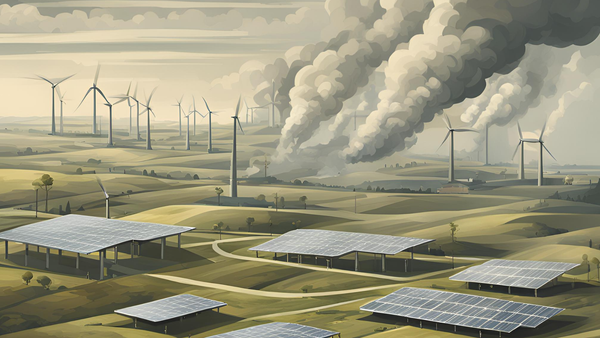
Carbon Offsets: Navigating the Challenges and Unlocking Value for UK SMEs
Many UK SMEs seek carbon offsets to enhance sustainability, but the market presents challenges like additionality, verification issues, and complexity. High-quality offsets can mitigate unavoidable emissions while fostering innovation. SMEs should prioritize emission reductions and select certified projects that align with their values. Engaging thoughtfully with offsets can strengthen their sustainability strategies.

World Car Free Day: A Step Towards Sustainable Cities
World Car Free Day, celebrated on September 22nd, promotes the reduction of car usage to address urban pollution and climate change. Originating in the 1990s, it encourages walking, cycling, and public transport. Participants experience improved air quality, healthier lifestyles, and community engagement, showcasing the need for sustainable urban environments.

Coldplay's LED Wristbands Spectacle: Is Their Use Sustainable?
Coldplay's innovative use of LED wristbands at their concerts raises concerns about the environmental impact of live performances. While visually stunning, the single-use plastic, battery waste, and production footprint of the wristbands pose environmental challenges. Coldplay has taken steps to mitigate these issues by implementing recycling initiatives, using sustainable materials, and improving energy efficiency. Despite the need for improvement, their efforts reflect a broader trend in the entertainment industry towards sustainability, highlighting the balance between spectacle and environmental responsibility.
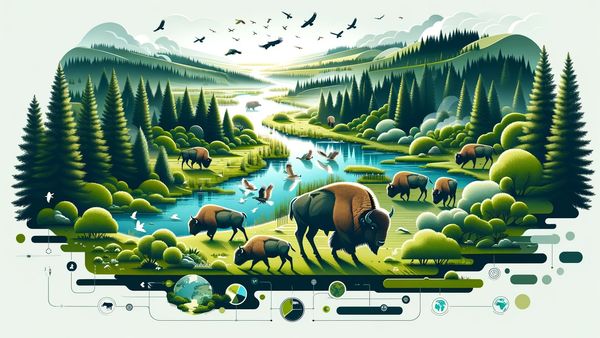
The Environmental Impact of Rewilding: Lessons from Romania's Bison Project
Rewilding projects, like the reintroduction of European bison in Romania, have proven to be highly beneficial for the environment, particularly in combating climate change. The successful bison rewilding initiative in Romania has significantly increased carbon sequestration and biodiversity while serving as a model for similar global projects. This approach offers a promising solution to environmental degradation and climate change.
Product Blog: Building the Best Carbon Footprint Calculator for SMEs
Bright set out to create an innovative action-planner but made two significant mistakes. They misjudged SMEs' focus on measuring their carbon footprint and lacked a user base for an AI-assisted sustainability action plan. They aim to support SMEs in their sustainability journey by launching a free, flexible, and learning-focused carbon footprint calculator.
Introducing Internal Carbon Pricing: A Guide for SMEs
Internal carbon pricing (ICP) is a potent tool for businesses aiming to reduce their environmental impact. It involves assigning a monetary value to greenhouse gas emissions to influence decision-making. SMEs can benefit by managing risks, reducing costs, enhancing reputation, gaining a competitive edge, and ensuring long-term financial performance. Integrating ICP supports sustainability and profitability.
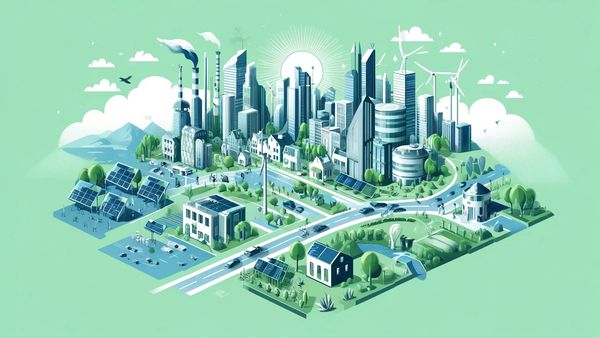
Envisioning a Carbon Neutral Society: A Roadmap for SMEs
In a carbon-neutral society, renewable energy sources replace fossil fuels, urban planning prioritizes green spaces and sustainable transport, and agriculture and industry adopt sustainable practices. Small and medium-sized enterprises (SMEs) are urged to adapt to renewable energy, scrutinize operations and supply chains, innovate for new market opportunities, and comply with regulations. By taking these steps, SMEs can benefit from brand value and customer loyalty.
Climate Equity and SME Sustainability: Bridging the Gap for a Fairer Future
The concept of climate equity has become crucial in global efforts to address climate change. It acknowledges that the impacts of climate change are not evenly distributed and aims to ensure fair access to resources and opportunities for mitigation and adaptation. Small and medium-sized enterprises (SMEs) play a significant role in promoting climate equity through local engagement, inclusive employment practices, and supply chain sustainability. Integrating climate equity into their sustainability strategies can lead to positive social and environmental outcomes, contributing to a more equitable and sustainable future.
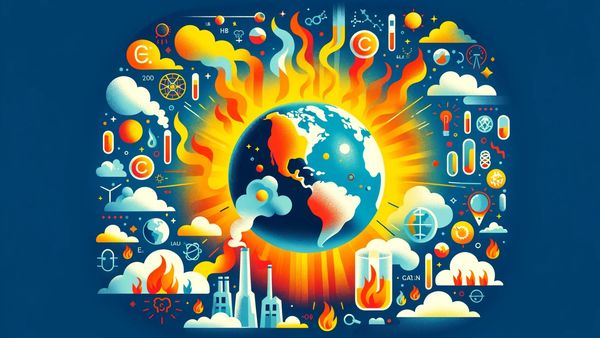
Understanding the Key Players: An Introduction to the Most Important Greenhouse Gases
The conversation around climate change often focuses on the impact of greenhouse gases (GHGs). With water vapour, carbon dioxide, methane, fluorinated gases, and others playing unique roles, understanding their differences is crucial. Efforts to mitigate their release are essential in our global response to a warming planet, shaping strategies for a sustainable future.
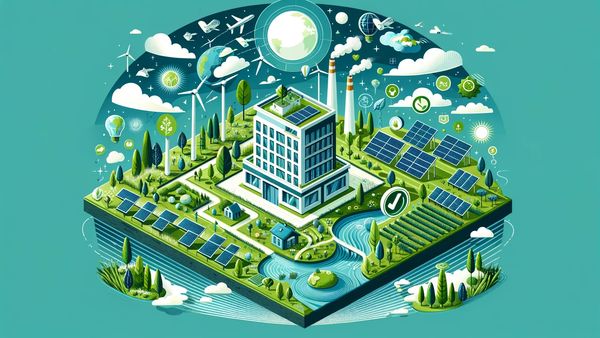
Proactive Compliance: How SMEs Can Navigate and Benefit from Environmental Regulations
Small and medium-sized enterprises (SMEs) face the challenge of compliance and growth amidst global environmental regulations. To navigate this landscape, SMEs should stay informed, consult experts, implement sustainable changes, leverage compliance for advantage, and cultivate a culture of sustainability. By doing so, SMEs can enhance their market position and operational efficiency.
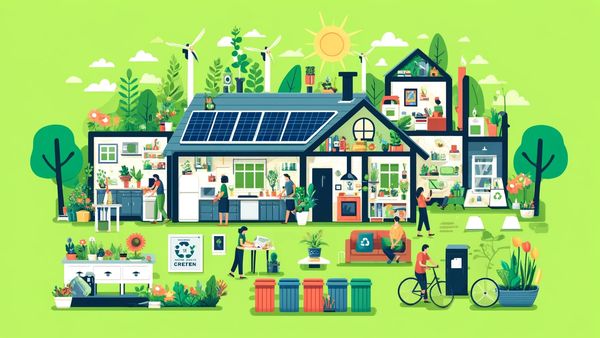
Bringing Sustainability Home: Empowering SME Employees to Live Greener
SMEs can extend sustainability efforts beyond the workplace by inspiring employees to embrace eco-friendly habits at home. Leading by example, educating, offering flexible support, encouraging sustainable commuting, sharing successes, implementing challenges, providing volunteering opportunities, and celebrating progress are key strategies. This inclusive approach empowers employees to contribute to a healthier planet.
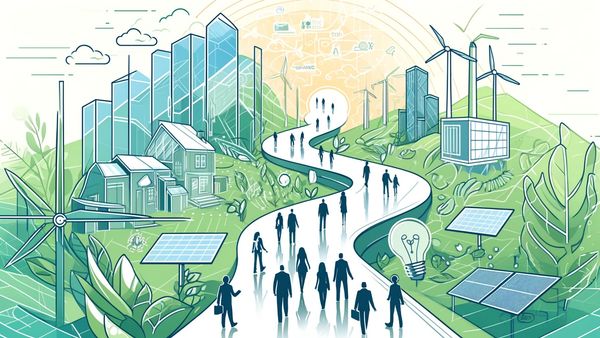
Embracing Transparency in Your Sustainability Journey: The Key to Building Trust and Driving Change
Businesses are facing increased pressure to demonstrate commitment to sustainability, but the journey is complex. Transparency about successes and failures is essential for building trust with both employees and customers. It empowers employees, fosters a culture of improvement, builds trust with customers, and demonstrates accountability. Regular updates, honest reporting, dialogue, and highlighting efforts across the value chain are effective transparency strategies.
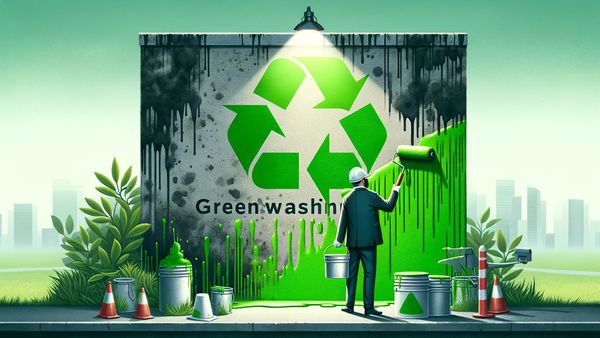
Unveiling Greenwashing: Navigating Authentic Sustainability for SMEs
Businesses, particularly SMEs, are increasingly focused on demonstrating their environmental commitment but must beware of "greenwashing." This misleading practice can harm credibility and attract regulatory scrutiny. SMEs can avoid greenwashing by being transparent, substantiating claims, focusing on significant impacts, educating their team, and committing to continuous improvement. Regulatory bodies like the CMA are scrutinizing green claims, highlighting the importance of honesty and rigor in sustainability efforts.
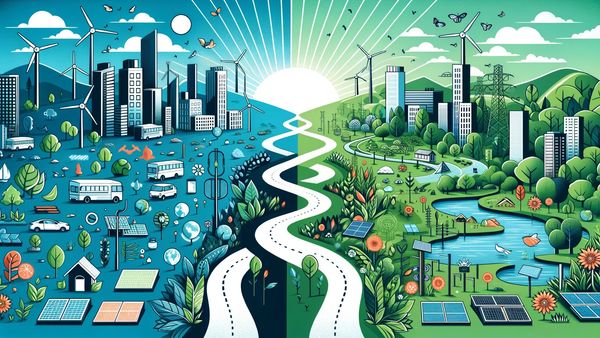
Navigating the Future: Sustainability vs. Regeneration, and the Paths to Growth
Sustainability and regeneration are crucial in environmental stewardship. While sustainability maintains resources, regeneration aims to restore and enhance them. Businesses can implement these concepts by assessing impacts, innovating, collaborating, and educating. Understanding and applying these strategies together can lead to a future where growth not only sustains but rejuvenates the planet.
Embracing Plastic Neutrality: An Introduction for SMEs
Plastic neutrality has emerged as a solution to global plastic pollution. Businesses can offset their plastic usage by recovering an equivalent amount from the environment. SMEs can implement plastic neutrality by assessing, reducing plastic use, engaging in offset programs, innovating with alternative materials, and involving stakeholders. This approach not only reduces plastic waste but also enhances brand reputation and meets consumer demand for sustainability.
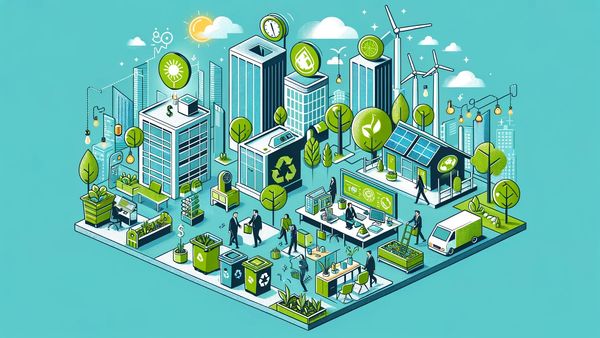
Driving Business Sustainability with Limited Resources: 8 Practical Initiatives for Every Budget
In today's business world, sustainability is crucial for long-term success. Small and medium-sized enterprises can drive sustainability on a budget with simple, cost-effective initiatives. Ideas include waste reduction, energy efficiency, remote work, virtual meetings, local sourcing, green procurement, fostering a sustainable culture, and leveraging government resources. These steps contribute to a greener future and business improvement.
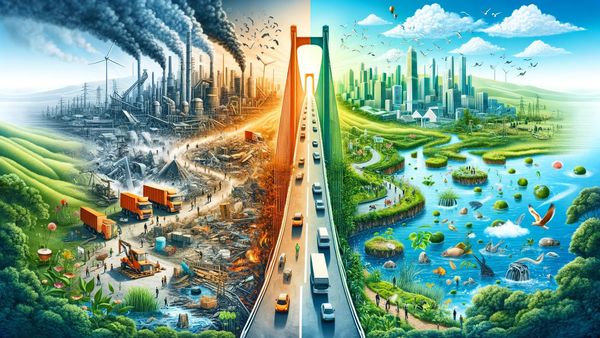
Bridging the Gap: From Talking About Sustainability to Truly Being Sustainable
In today's business environment, sustainability is widely discussed but often not fully implemented. Moving from talk to action requires a holistic approach, measurable targets, and integration of sustainability into corporate culture. Engaging stakeholders and overcoming challenges is key. Truly sustainable businesses gain a competitive edge, attract talent, and contribute to a healthier planet and society.
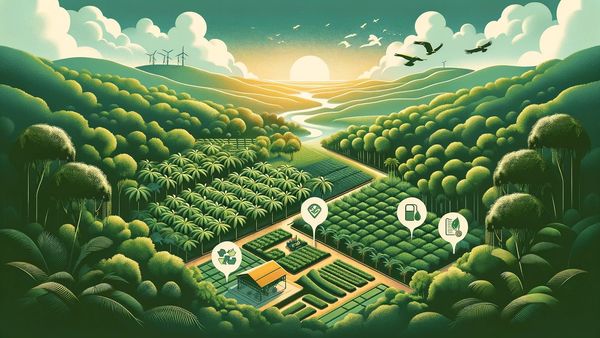
Sustainable Palm Oil: A Path to Environmental Responsibility?
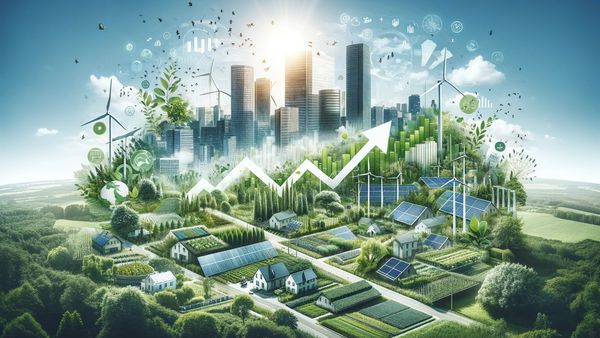
The Surprising Financial Benefits of Sustainable Business Practices
In today's business landscape, sustainability is not just an ethical choice, but a strategic decision offering financial benefits. SMEs in the UK integrating sustainable practices reduce costs, enhance brand value, access new funding, and improve employee satisfaction. Early adoption of sustainability provides a competitive edge in the evolving green economy. Platforms like Bright offer guidance for SMEs to embark on this journey.
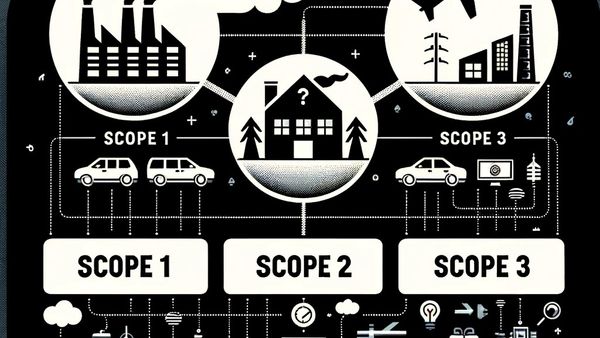
Understanding Scope 1, 2, and 3 Carbon Emissions: A Guide for Businesses
Businesses navigating sustainability must grapple with understanding and managing their carbon emissions. The Greenhouse Gas Protocol categorises emissions into three scopes, each requiring distinct strategies. Scope 1 encompasses direct emissions, Scope 2 includes indirect emissions from purchased electricity, and Scope 3 covers all other indirect emissions, presenting complex challenges. Addressing these scopes is crucial for crafting effective carbon management strategies and enhancing sustainability.

The Power of Employee Engagement in Driving Sustainable Change
Amid escalating climate change impacts, sustainability has become an operational imperative. Engaging employees is crucial for successful sustainable change, as they offer operational insights and foster commitment. Their involvement boosts motivation, enhances brand reputation, and attracts like-minded stakeholders. To create a sustainable culture, intentional strategies like training, incentives, and recognition are essential.
Our 6 Favourite Strategies for Building a Sustainable Supply Chain
Incorporating sustainability into the supply chain is crucial for reducing environmental impact and enhancing reputation. Key steps include assessing suppliers, setting clear goals, partnering with sustainable suppliers, implementing procurement policies, monitoring progress, and continuous improvement. This comprehensive approach brings benefits such as cost savings, improved reputation, and increased competitiveness.